Fishing in Arizona: Desert Lakes, Main Species, Seasons, Heat and License Basics
Arizona has far more fishing than most people expect, from Phoenix-area bass reservoirs to cold trout lakes on the Rim. Here's where to start and how to stay legal and safe.
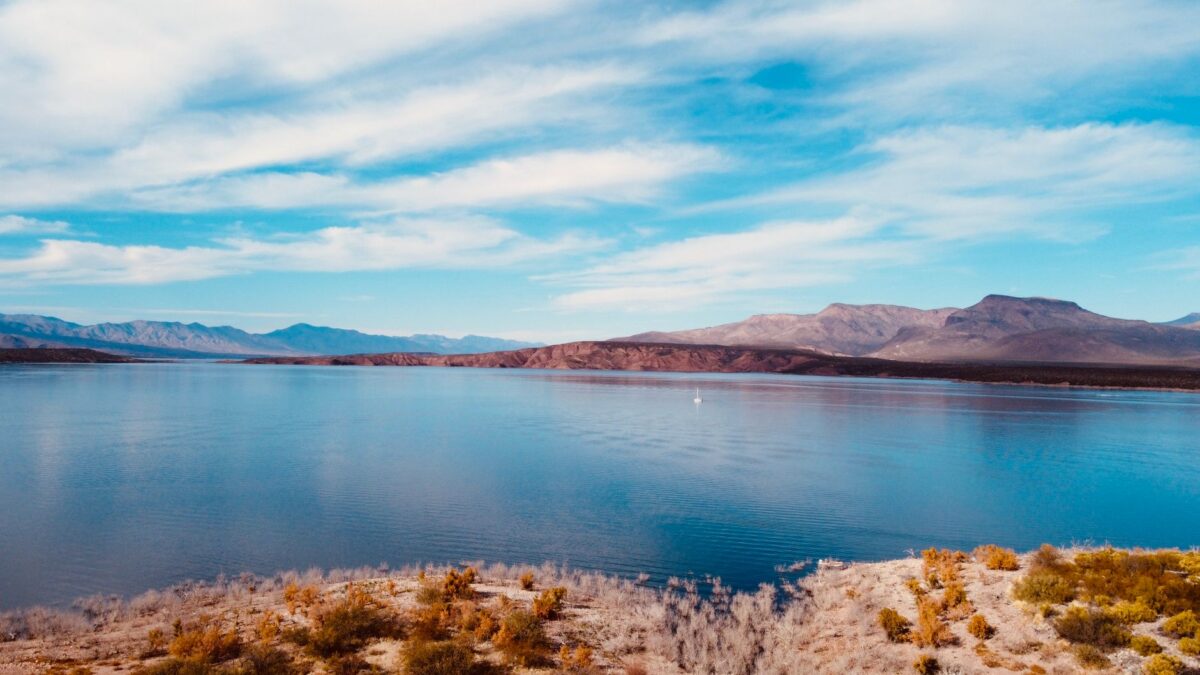
Arizona fishing splits into two worlds. The low-desert reservoirs, such as Roosevelt, Saguaro, Canyon, Apache, Bartlett, Pleasant and Alamo, are best for largemouth bass, crappie, catfish and striped bass, and fish best from fall through spring. In summer, head to high-country lakes on the Mogollon Rim and in the White Mountains for trout, or fish the desert lakes at dawn, dusk and night. Anyone 10 or older needs an Arizona fishing license from the Arizona Game and Fish Department (AZGFD).
Desert lakes and reservoirs
Most of Arizona’s warm-water fishing happens in reservoirs built on desert rivers. The Salt River chain (Roosevelt, Apache, Canyon and Saguaro) and the Verde River’s Bartlett Lake are within reach of Phoenix, as is Lake Pleasant to the northwest. AZGFD highlights these waters for the species below.
| Water | Known for | Notes |
|---|---|---|
| Roosevelt Lake | Largemouth bass, crappie, catfish | Largest of the Salt River lakes; levels vary with runoff |
| Saguaro Lake | Largemouth bass | AZGFD has added habitat structures |
| Canyon Lake | Largemouth bass; rainbow trout in winter | Narrow canyon lake, popular for boating |
| Bartlett Lake | Largemouth bass | On the Verde River northeast of Phoenix |
| Lake Pleasant | Largemouth bass, striped bass, flathead catfish | Large, busy reservoir northwest of Phoenix |
| Alamo Lake | Largemouth bass, channel catfish, black crappie | Remote western Arizona lake |
| Lake Havasu | Largemouth bass, large redear sunfish | Colorado River lake shared with California |
| Lake Powell | Striped bass, smallmouth bass, walleye | Mostly in Utah; northern Arizona end near Page |
Lake levels in desert reservoirs can rise and fall sharply, which changes access, launch ramps and where fish hold. Check current conditions before you drive.
The main species
Bass
Largemouth bass are the main target in the desert lakes. Smallmouth are common in some waters, including Lake Powell, and striped bass draw anglers to Lake Pleasant, Lake Powell and the Colorado River system. Standard bass techniques apply; for hot-weather tactics see our guide to summer bass fishing.
Trout
Trout need cold water, so in Arizona they live mainly in high-elevation lakes and streams and in a few cold tailwaters. Rim lakes such as Willow Springs and Woods Canyon are stocked with rainbow trout and also hold tiger trout, and Big Lake in the White Mountains holds brook, cutthroat and rainbow trout. Lees Ferry, the stretch of the Colorado River below Glen Canyon Dam, is a well-known rainbow trout tailwater. In winter, AZGFD stocks trout in some lower-elevation lakes and urban ponds. If you’re new to trout, start with our trout fishing for beginners guide.
Arizona’s state fish, the Apache trout, is native to the White Mountains. In 2024 it was removed from the federal threatened species list after decades of recovery work, the first trout to be delisted. Some Apache trout waters have special rules, and fishing on tribal reservations is managed by the tribes, which issue their own permits.
Catfish
Channel catfish are widespread and stocked in many waters; flathead catfish grow large in reservoirs such as Lake Pleasant and Roosevelt. Summer nights are prime time.
Crappie and sunfish
Crappie fishing can be good at lakes such as Roosevelt and Alamo, especially in spring. Bluegill and redear sunfish are common, and Lake Havasu is known for large redear.
Community Fishing Program
AZGFD’s Community Fishing Program stocks more than 50 lakes and ponds in city parks across about two dozen communities. These waters get catchable trout in the cooler months and channel catfish in spring and fall, and AZGFD pauses stockings in midsummer because of the heat. Stocking dates are posted on the AZGFD fish stocking schedule. Community waters can have their own bag limits, so read the posted rules.
Seasons and heat
| Season | Low desert | High country |
|---|---|---|
| Winter | Slow bass bite on deep structure; trout stocked in some lakes and urban ponds | Many lakes freeze or are hard to reach; check road access |
| Spring | Prime time: bass move shallow to spawn earlier than in northern states; crappie active | Trout stocking resumes as roads and lakes open |
| Summer | Fish dawn, dusk and night; deep structure midday | Best trout season; afternoon thunderstorms are common |
| Fall | Bass and stripers chase shad as water cools; excellent fishing | Good trout fishing until cold weather |
Desert heat is a real safety issue. In summer, start before sunrise, quit by late morning or switch to evenings and nights, and carry far more water than you expect to drink. Wear sun protection, know the signs of heat illness, and never leave people or pets in a parked vehicle. The summer monsoon brings lightning and flash floods; get off the water when storms build, and stay out of washes during heavy rain. On a boat, wear a life jacket and carry the required safety gear. For after-dark tactics, see bass fishing at night.
License basics from AZGFD
- Who needs one: anglers 10 and older fishing public waters. Children under 10 and blind residents don’t need a license.
- Prices: at the time of writing, AZGFD lists the general fishing license at $37 for residents and $55 for nonresidents, and a youth combination hunt and fish license (ages 10 to 17) at $5. Prices can change.
- Validity: licenses are valid for 365 days from the date of purchase.
- What’s included: current fishing and combo licenses cover trout and fishing with two poles or lines. Separate trout stamps are no longer sold.
- Free Fishing Day: Arizona holds one each year in early June, when no license is needed.
Buy licenses on the AZGFD licenses and regulations page, where you’ll also find the current regulations. For general advice, see our guide on how to get a fishing license.
Rules worth checking
- Live bait: Arizona’s live baitfish rules are strict and county-specific. Live baitfish can’t be used in several counties, including Coconino, Pima and Cochise, and live crayfish generally can’t be moved from the water where they were caught.
- Border waters: the Colorado River lakes are shared with California and Nevada, and Lake Powell with Utah. Which license covers shore or boat fishing depends on the water and state, so read AZGFD’s boundary-water rules.
- Limits: daily bag and size limits vary by species and by water, and some lakes have special regulations.
- Advisories: some waters have fish consumption advisories, such as a mercury advisory for striped bass in part of Lake Powell. Check current advisories before keeping fish.
Bottom line
For bass, crappie, catfish and stripers, fish the desert reservoirs from fall through spring and at dawn, dusk or night in summer. For trout, go to the Rim and White Mountains in summer or to stocked urban and lower lakes in winter. Get an AZGFD license if you’re 10 or older, check bait and border-water rules, and treat summer heat and monsoon storms seriously.
FAQ
Do kids need a fishing license in Arizona?
Children under 10 don’t. Youth 10 to 17 need a license; AZGFD offers a youth combination hunt and fish license for $5 at the time of writing.
Is there trout fishing in Arizona?
Yes. High-country lakes and streams hold trout year-round, Lees Ferry is a famous trout tailwater, and AZGFD stocks trout in some desert lakes and city ponds in winter.
What’s the best time of year to fish Arizona’s desert lakes?
Fall through spring is generally best. In summer, fish early mornings, evenings and nights to avoid heat.
Can I fish with two rods in Arizona?
Yes. Current Arizona fishing and combo licenses allow fishing with two poles or lines at the same time. Check AZGFD’s regulations for hook limits.