What Do Bass Eat? Forage by Season and How to Match Your Lures
Bass eat whatever is abundant and fits in their mouths, and that changes with the seasons. Know the menu in your lake and lure choice gets much easier.
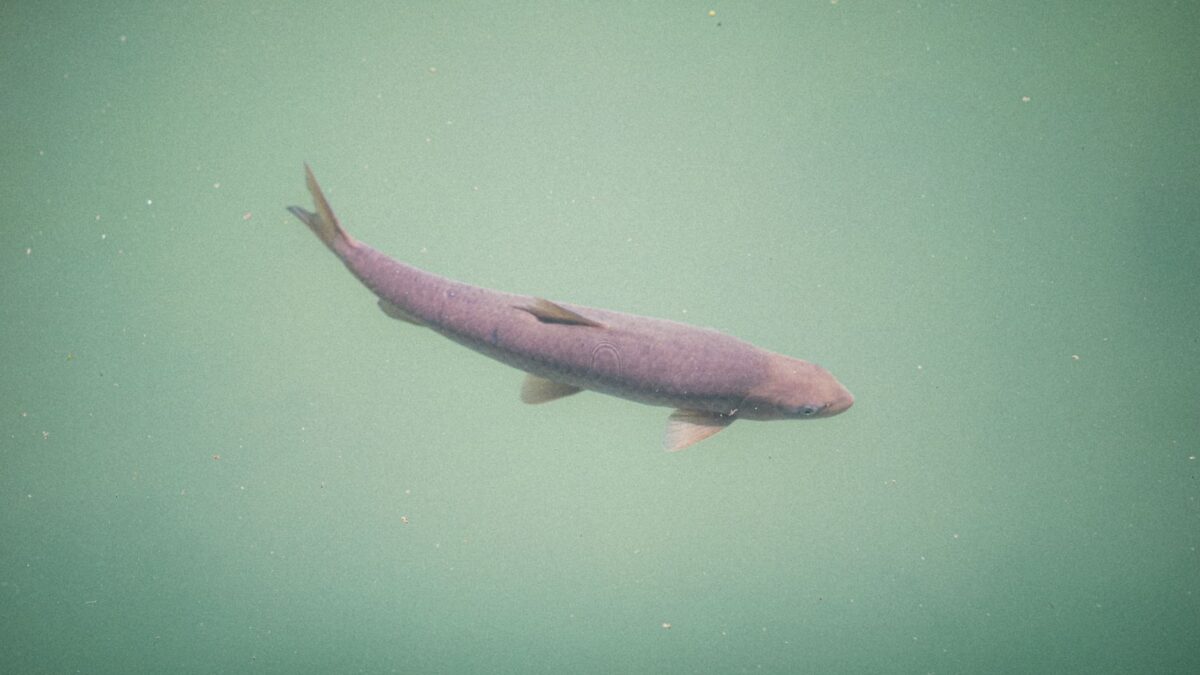
Adult bass eat mainly other fish (shad, bluegill and other sunfish, perch, minnows and shiners) and crayfish, plus frogs, large insects and, now and then, snakes, mice or small birds. What they eat most depends on the season and the lake: crayfish and bluegill dominate in many waters in spring and summer, shad schools in fall and winter in reservoirs. To catch more bass, figure out the main forage in your water and pick lures that match its size, shape, color and movement.
How a bass’s diet changes as it grows
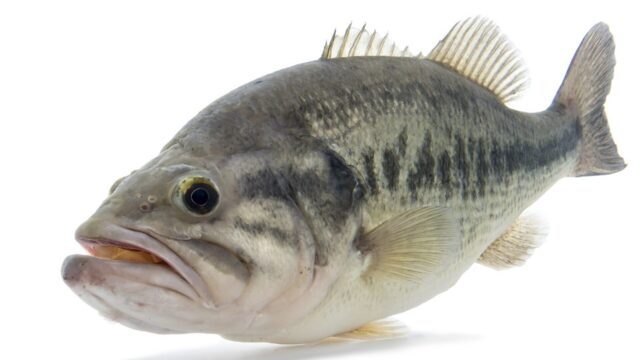
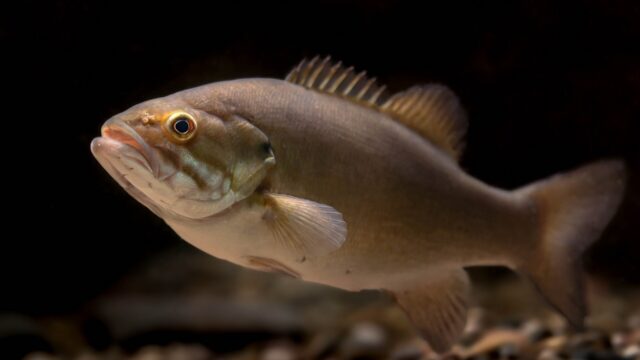
Newly hatched bass start on tiny zooplankton such as copepods and water fleas. As they grow to an inch or two, they switch to insect larvae and then begin eating small fish. By their first fall, many young largemouth are already fish-eaters. Adults are opportunistic predators: they eat whatever is abundant, easy to catch and fits in their mouths. Largemouth, with their big mouths, can swallow surprisingly large prey; smallmouth and spotted bass lean more heavily on crayfish and smaller fish.
The main bass foods
| Forage | Where it matters most | Lures that imitate it |
|---|---|---|
| Shad (gizzard and threadfin) | Reservoirs and rivers, especially in the South and Midwest | Spinnerbaits, lipless and medium crankbaits, swimbaits, jerkbaits, spoons |
| Bluegill and other sunfish | Ponds, natural lakes, weedy reservoirs | Bluegill-pattern swimbaits and crankbaits, jigs, poppers, wake baits |
| Crayfish | Rocky lakes, rivers, riprap; key smallmouth food | Jigs with craw trailers, tubes, Texas-rigged creature baits, craw-colored crankbaits |
| Yellow perch | Northern natural lakes | Perch-pattern crankbaits, jerkbaits and swimbaits |
| Minnows and shiners | Almost everywhere | Small swimbaits, jerkbaits, drop-shot minnow plastics, inline spinners |
| Round gobies | Great Lakes and connected waters | Tubes, drop-shot plastics and Ned rigs in goby colors |
| Herring | Some Southeastern reservoirs | Topwater walking baits, swimbaits, flukes |
| Frogs | Ponds, marshy shorelines, lily pads | Hollow-body frogs, buzzbaits, soft plastic frogs |
| Insects and larvae | All waters, especially for smaller bass | Small poppers, finesse plastics, Ned rigs |
| Worms, leeches, salamanders | Washed in by rain or living near the bottom | Soft plastic worms, finesse worms, lizards |
What bass eat by season
Winter
Bass eat less often in cold water, but they still feed. In reservoirs, shad are the main winter food, and threadfin shad are sensitive to cold; in hard winters, weakened or dying shad can trigger feeding. Crayfish are less active and often buried. Match with slow jerkbaits, blade baits, jigging spoons, small swimbaits and slow-moving jigs.
Spring
As water warms, crayfish become active and molt, and bass feed heavily on them before the spawn. Bluegill and perch move shallow too. Around the spawn, bass guarding nests attack bluegill and other egg-eaters near the bed, and after the spawn, many bass feed on bluegill doing their own spawning in late spring. Match with crawfish-colored crankbaits and jigs in pre-spawn, then bluegill patterns and topwaters in post-spawn.
Summer
The menu is at its widest: bluegill, young shad, crayfish, frogs, dragonflies and other insects. Bass in heavy cover eat whatever moves past; offshore bass in reservoirs chase schools of shad on points and ledges. Use frogs and punching baits in weeds, deep crankbaits and big worms offshore, and topwaters at dawn and dusk.
Fall
Shad and other baitfish hatched that year are now a few inches long and swarm into creek arms and shallow flats as water cools. Bass follow and feed heavily. This is the time for reaction baits sized to the baitfish: spinnerbaits, lipless crankbaits, swimbaits, topwaters. Our fall bass fishing guide explains how to follow the bait.
How to match the forage
“Matching the hatch” for bass means getting four things close enough:
- Size: in fall, when baitfish are small, downsize to 2- to 3-inch baits; in spring, when forage is larger, bigger baits often work better. Bigger lures can also select for bigger bass.
- Shape (profile): a slim minnow, a deep-bodied bluegill and a bulky crayfish look different from below. Choose a lure with a similar silhouette.
- Color: in clear water, natural colors (shad silver and white, bluegill green and orange, crawfish brown, green and orange); in stained or muddy water, brighter or darker colors with more contrast. See our guide to choosing lure colors.
- Movement and depth: crayfish crawl and dart backward along the bottom; shad flash and flee near the surface or in open water; bluegill hover near cover. Fish your lure in a way that copies that behavior at the depth the forage is using.
How to learn what’s on the menu
- Watch the water: surface activity, nervous baitfish, birds diving and shad flickering at the surface all tell you what’s there.
- Look at the shoreline: crayfish shells on rocks, bluegill beds in the shallows and frogs in the pads are clues.
- Check your catch: bass sometimes spit up what they’ve eaten when landed. Note the size and type.
- Use electronics: bait balls on sonar show where shad are and how deep.
- Read agency survey reports: state lake surveys often list the main forage species in a water.
Regional differences
Southern and Midwestern reservoirs are mostly shad lakes. Natural lakes in the North depend more on perch, bluegill and shiners. The Great Lakes and connected waters now have abundant round gobies, which smallmouth eat heavily. Some Southeastern reservoirs have blueback herring, which draw bass into open water. Rivers revolve around crayfish, minnows and insects. Knowing your region’s main forage narrows lure choice fast.
For more on how each species feeds, see our largemouth bass species guide.
Bottom line
Bass eat mostly fish and crayfish, plus frogs, insects and anything else they can catch. Shad dominate reservoirs in fall and winter, crayfish and bluegill matter most in spring and summer, and gobies rule parts of the Great Lakes. Identify the main forage in your water, then match the size, profile, color and depth of your lure to it.
FAQ
What is a bass’s favorite food?
There’s no single favorite. Largemouth eat lots of fish such as shad and bluegill; smallmouth eat more crayfish. Whatever is most abundant and easiest to catch usually becomes the main food.
Do bass eat other bass?
Yes. Largemouth are known to be cannibalistic and will eat smaller bass when the opportunity arises.
Do bass eat during the spawn?
Males guarding nests feed little, but they strike at anything that threatens eggs or fry, which is why bed fishing works. Females feed heavily before spawning and recover afterward.
Do bass eat at night?
Yes. Bass can feed at night, especially in summer in clear or heavily fished waters, which is why dark topwaters and worms work after dark.