Weather and Fishing: Pressure, Fronts, Wind, Clouds, Rain and the Moon
Fronts, wind and light change where fish sit and how they feed. Barometric pressure and the moon get the headlines, but they matter less than you think.
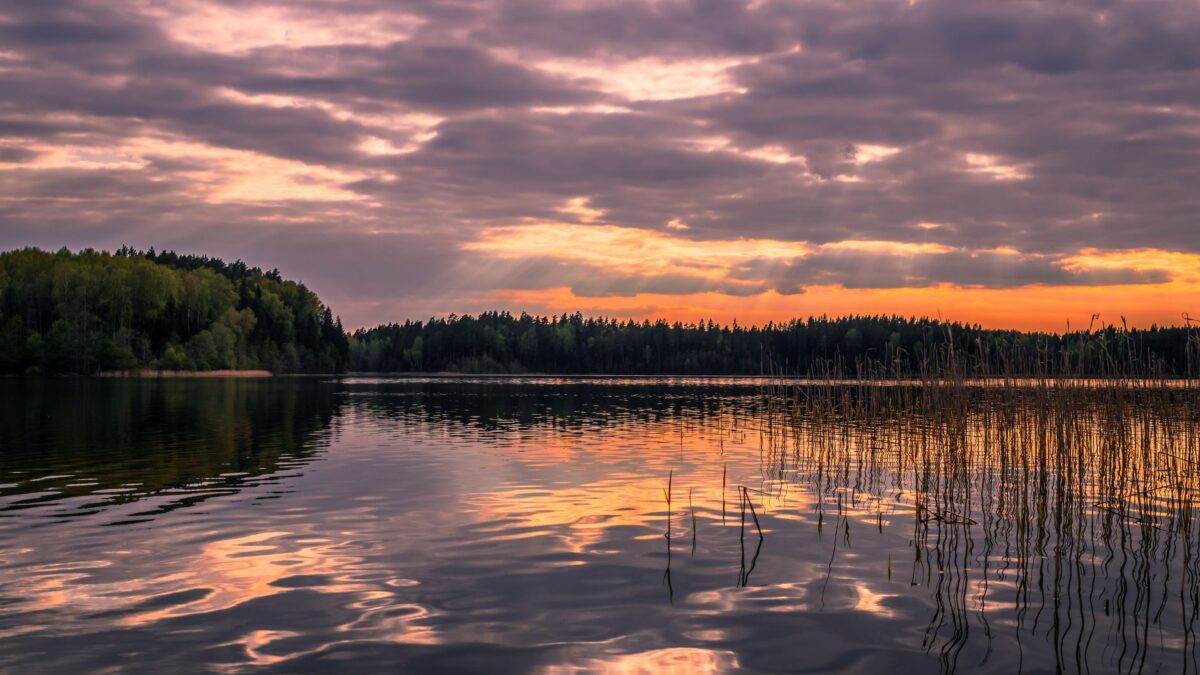
The best fishing weather is usually stable or slowly changing, with cloud cover and a light to moderate wind, and the hours before a front moves in are often especially good. The hardest conditions are typically the bright, calm, cooler “bluebird” day right after a cold front. Barometric pressure is mostly useful as a sign of those weather changes, and the moon is a minor factor. Water temperature matters more than any of them.
Quick guide: what matters most
| Factor | Effect on fish | How to adjust | How much it matters |
|---|---|---|---|
| Water temperature | Sets activity level and seasonal location | Match speed and depth to the season | A lot |
| Fronts | Pre-front often active; post-front fish tighten up | Cover water before; slow down after | A lot |
| Wind | Moves baitfish, breaks up light | Fish windblown banks and points | A lot |
| Clouds vs sun | Clouds spread fish out; sun pulls them to shade | Moving baits in clouds; target cover in sun | Moderate |
| Rain | Lowers light, adds runoff and color | Fish inflows and stained edges | Moderate |
| Barometric pressure | Hard to separate from fronts and wind | Use it to track approaching fronts | Indirect |
| Moon phase | Night light; evidence on feeding is mixed | Use solunar times as a tiebreaker | Minor |
Water temperature comes first
Fish are cold-blooded, so water temperature controls how fast they digest, how often they feed and how far they’ll chase. Bass are most active in moderate water and slow down sharply in very cold water. That’s why the same weather can mean different things by season: a warm, sunny afternoon in early spring can trigger a feed in shallow water that’s warming up, while the same sun in midsummer pushes fish deeper or into shade. Use a thermometer or your fish finder’s temperature reading, and watch the trend over several days.
Barometric pressure: real effect or myth?
Many anglers believe falling pressure turns fish on and high, rising pressure shuts them off. There’s plenty of on-the-water belief behind that, but it’s hard to prove pressure is the cause. Pressure changes almost never happen alone; they come with shifts in wind, cloud cover, light and temperature, and those are things fish clearly respond to.
Simple physics adds perspective. A large weather swing of about one inch of mercury equals the pressure change of moving only about a foot up or down in fresh water. Fish change depth by much more than that every day. So treat the barometer as a forecast tool: a steadily falling reading tells you a front is coming, and a sharp rise after a front tells you to expect bright skies and tougher fishing.
Fronts
Before a front
As a front approaches, skies usually cloud up, wind increases and light drops. Fish often feed more aggressively and roam, so it’s a good time to cover water with moving baits such as spinnerbaits, bladed jigs and crankbaits.
After a cold front
Behind a cold front, skies clear, the wind often shifts and the air cools. Bass commonly tuck tight into cover or move a bit deeper and become less willing to chase. Slow down, downsize and fish thick cover precisely. Our guide to fishing after a cold front goes step by step. Fishing generally improves as the weather stabilizes over the following days.
Wind
Wind is usually a friend. It pushes plankton and baitfish toward windblown banks and points, breaks up the surface so fish are less wary, and can mix and cool the shallow water in summer. Start on the windy side of the lake, especially points and banks where wind meets cover. Lures that move water and stay in contact, like spinnerbaits, crankbaits and bladed jigs, tend to work best. Our guide to fishing in the wind covers boat control and lure choice. Strong wind, though, makes small boats and kayaks dangerous, so check wind forecasts and stay off big open water when whitecaps build.
Clouds and sun
- Overcast days spread fish out and keep them shallow longer. Topwater and moving baits can work much of the day.
- Bright, sunny days pull fish tight to shade: docks, overhanging trees, thick grass, deeper edges. Pitch and flip to cover, or fish deeper. Polarized sunglasses help you see cover and fish.
Light also shapes daily timing; see the best time of day to fish for bass.
Rain
Light rain lowers light and often triggers good fishing, especially for topwater and moving baits. Steady or heavy rain sends runoff into the lake. Inflows and creek mouths can then concentrate baitfish and bass where the stained water meets clearer water. If the whole lake turns muddy, fish shallower with lures that thump, rattle and vibrate; our guide to fishing muddy water explains how.
The moon and solunar tables
Solunar tables predict “major” and “minor” feeding periods from the moon’s position. Some anglers swear by them; the evidence is mixed, and local conditions like wind, fronts and light usually matter more. The moon clearly affects how much light there is at night, which can influence night fishing. Use solunar times as a tiebreaker when choosing between two otherwise equal windows, not as a reason to skip a trip.
Stay safe in bad weather
Lightning is the biggest weather danger on the water, and a boat or a graphite rod in an open area puts you at risk. The National Weather Service’s lightning safety guidance is simple: when thunder roars, go indoors, to a building or a hard-topped vehicle, and wait 30 minutes after the last thunder before going back out. Watch the radar on stormy days, leave early, and remember that wind and waves can build fast ahead of storms. Wear a life jacket in a boat or kayak, especially in cold water.
Bottom line
Pay attention to water temperature, fronts, wind and light, in that order. Fish hard before fronts, on cloudy days and along windblown banks, and slow down after a cold front. Use the barometer to see weather changes coming rather than as a magic number, treat the moon as a minor factor, and always get off the water when thunder is in the area.
FAQ
What is the best barometric pressure for fishing?
There’s no single magic number. Steady or slowly falling pressure often coincides with good fishing because it signals stable weather or an approaching front, while a sharp rise after a cold front usually means bright, tougher conditions.
Is fishing good before a storm?
Often, yes. Clouds, wind and falling light ahead of a front can trigger active feeding. But leave the water before lightning arrives; if you can hear thunder, you’re close enough to be struck.
Does the moon affect fishing?
It may have some influence, and it changes how much light there is at night, but scientific support for solunar feeding periods is mixed. Wind, light and fronts usually matter more.
Is it good to fish in the rain?
Light rain is often productive because it lowers light and fish roam more. After heavy rain, focus on inflows and stained edges, and use lures with vibration if the water turns muddy.