Fishing Line Weight Chart: Pound Test for Bass, Panfish, Walleye and Catfish
How strong should your line be? Use this chart to pick a pound test for each technique and species, then convert between braid and mono by diameter.
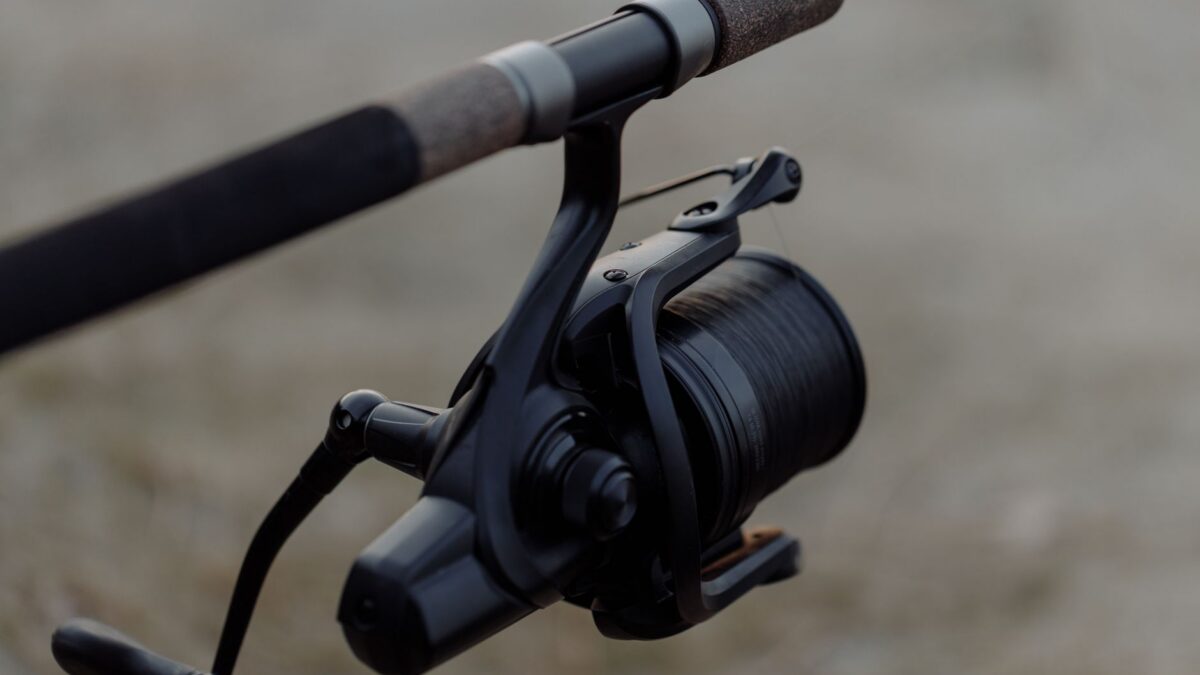
For most bass fishing, start with 10–12 lb fluorocarbon or mono on spinning or all-purpose gear, 15–20 lb fluorocarbon for jigs and Texas rigs around cover, and 50–65 lb braid for frogs and heavy vegetation. Panfish need only 2–6 lb line, walleye usually 6–10 lb, and catfish anywhere from 12 lb for channel cats to 30 lb or more for big blues and flatheads. Go heavier when you fish heavy cover, big fish or very stained water.
These are typical starting ranges, not rules. Match your line to your rod’s rating, the cover you fish and how clear the water is.
What “pound test” means
Pound test is the approximate load the line is rated to hold before breaking. It doesn’t tell you diameter: 20 lb braid is far thinner than 20 lb mono. Diameter affects casting, how deep crankbaits dive and how visible the line is, so it matters as much as strength. If you’re still deciding between materials, our braid vs fluorocarbon vs mono guide explains the differences.
Bass: line by technique
| Technique | Mono / fluorocarbon | Braid (with or without leader) |
|---|---|---|
| Drop shot, Ned rig, wacky rig (spinning) | 6–10 lb fluoro | 10–20 lb braid + 6–10 lb fluoro leader |
| Jerkbaits | 8–12 lb fluoro | Rarely used straight |
| Crankbaits | 8–15 lb fluoro or mono (lighter dives deeper) | Usually not; little stretch for trebles |
| Texas rig, jigs in open water | 12–17 lb fluoro | 30–50 lb braid + fluoro leader |
| Spinnerbaits, bladed jigs, swim jigs | 12–20 lb fluoro | 30–50 lb braid |
| Topwater walking baits, poppers | 12–20 lb mono | 30–50 lb braid + mono leader |
| Flipping and pitching wood or docks | 17–25 lb fluoro | 50–65 lb braid |
| Frogs, punching matted grass | Not recommended | 50–80 lb braid |
| Carolina rig | 12–15 lb fluoro leader | Main line 17–20 lb fluoro or 30–50 lb braid |
For a first all-around bass rod, 10–12 lb fluorocarbon or 15–20 lb braid with a fluorocarbon leader covers a lot of ground. Our first bass setup guide shows how that fits together.
Other freshwater species
| Species / situation | Mono / fluorocarbon | Braid |
|---|---|---|
| Bluegill, sunfish, perch | 2–6 lb | Optional: 4–10 lb with a light leader |
| Crappie (jigs, bobbers) | 4–8 lb | 6–10 lb with a light leader |
| Stocked trout (lakes and streams) | 2–6 lb | Rarely needed |
| Walleye (jigs, live-bait rigs) | 6–10 lb | 10–15 lb + 6–10 lb fluoro leader |
| Walleye trolling crankbaits | 8–12 lb | 10–20 lb |
| Channel catfish | 12–20 lb | 30–50 lb |
| Blue and flathead catfish | 20–50 lb | 50–80 lb |
| Pike (with bite leader) | 12–20 lb | 30–65 lb |
| Landlocked striped bass | 15–20 lb | 30–50 lb |
Braid diameter equivalents
Because braid is so thin, manufacturers publish a “mono diameter equivalent” for each strength. One widely sold braid’s published chart, as shown on retailer spec listings, gives these pairings:
| Braid strength | About the same diameter as |
|---|---|
| 15 lb braid | 4 lb mono |
| 20 lb braid | 6 lb mono |
| 30 lb braid | 8 lb mono |
| 40 lb braid | 10 lb mono |
| 50 lb braid | 12 lb mono |
| 65 lb braid | 16 lb mono |
Treat these as approximate. Braids vary by brand and by the number of strands, and actual measured diameters often run a little larger than advertised. Use the equivalent mainly to estimate spool capacity: a reel that holds about 120 yards of 12 lb mono will hold a similar length of 50 lb braid of this type.
When to go heavier
- Heavy cover. Wood, rock, docks and thick grass fray line and require you to pull fish out fast. Line strength is about abrasion and leverage as much as fish size.
- Stained or muddy water. Fish see line less, so there’s little reason to fish light.
- Big fish. Trophy-bass waters, big catfish and pike call for a step up.
- Short-line techniques. Flipping and punching put sudden loads on the line close to the boat.
- Hard-to-land spots. When you can’t follow a fish, as from a dock, pier or bank lined with brush, you need line that can turn it.
When to go lighter
- Clear water and pressured fish, where thinner line draws more bites.
- Small or light lures that cast poorly on heavy line.
- Deeper crankbait dives: thinner line lets a crankbait run deeper.
- Light rods. Stay within the line rating printed on the blank, especially with mono and fluorocarbon.
Whatever the pound test, your drag setting does most of the work protecting the line. Set it to slip smoothly under a hard pull, and use a rod with matching power; our rod buying guide explains rod line ratings.
Bottom line
For bass, 10–12 lb line covers finesse and all-purpose fishing, 15–20 lb fluorocarbon handles cover, and 50–65 lb braid is standard for frogs and matted grass. Panfish and trout need only 2–6 lb, walleye 6–10 lb, and catfish 12 lb and up depending on size. Adjust heavier for cover and stained water, lighter for clear water and small baits. Take Me Fishing’s line selection guide is a good companion reference.
FAQ
What pound test line should a beginner use for bass?
Start with 10–12 lb monofilament or fluorocarbon on a medium spinning rod. It’s strong enough for most bass and light enough for common lures.
Is 30 lb braid the same as 30 lb mono?
In strength rating, roughly. In diameter, no: 30 lb braid is about as thin as 8 lb mono, so it casts farther and fills less of the spool.
Can line be too heavy?
Yes. Heavy line casts shorter, reduces crankbait depth, is more visible in clear water and can exceed what a light rod is built to handle.
What line should I use for catfish?
Channel catfish are usually fished with 12–20 lb mono; big blue and flathead catfish call for 20–50 lb mono or heavy braid, especially in snag-filled rivers.