Walleye Fishing Tips: Low Light, Wind, Jigs, Live Bait Rigs and Trolling by Season
Walleye feed best when light is low and the water is choppy or stained. Here's how to find them through the year and the four presentations that catch most of them.
Walleye bite best in low light: dawn, dusk, at night, on cloudy days and when wind puts a chop on the water. Find them along breaks, points, reefs and weed edges near deeper water, then use a jig and minnow in cold water, a live bait rig or spinner rig in summer, and trolled crankbaits to cover big water. Adjust depth with the season, and check your state’s walleye seasons, which often close or restrict fishing during the spring spawn.
Why low light and wind matter
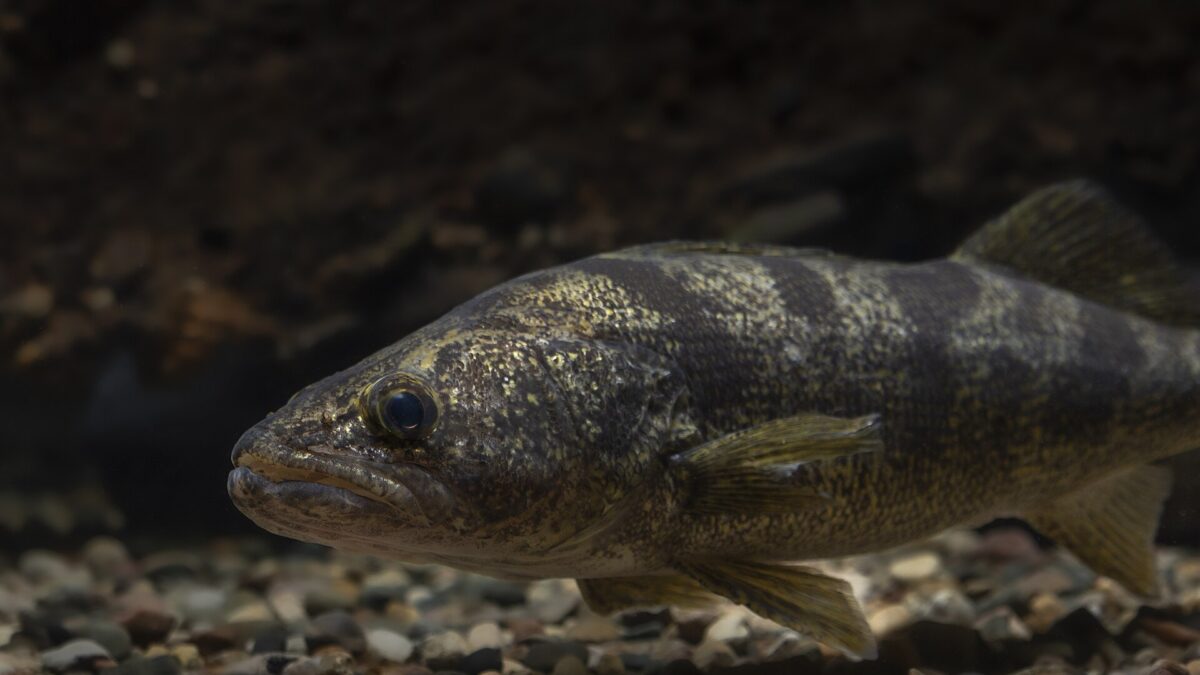
Walleye eyes contain a reflective layer called the tapetum lucidum, which gives them their glassy look and helps them see in dim light. That gives walleye an edge over prey at dawn, dusk and night, and in stained water. The Minnesota DNR’s walleye biology page notes that they often move shallow to feed at dawn and dusk.
Wind helps in two ways. Waves break up sunlight, and wind pushes plankton and baitfish toward windward shorelines, points and reefs. Anglers call that rough surface a “walleye chop”. When safe, fish the windblown side; see our guide to fishing in the wind for boat control and positioning.
The four main presentations
| Method | Best time | Typical setup | Notes |
|---|---|---|---|
| Jig and minnow (or plastic) | Spring and fall, cold water, rivers | 1/8 to 3/8 oz jig; heavier in current or deep water | Keep contact with the bottom; lift, drop and pause |
| Live bait rig (slip sinker rig) | Late spring through summer | 1/4 to 1/2 oz walking or egg sinker, 3 to 6 ft leader, size 4 to 8 hook | Leech, nightcrawler or minnow; drag slowly along breaks |
| Bottom bouncer and spinner rig | Summer, flats and breaks | Bottom bouncer with a spinner harness and nightcrawler | Slow trolling, often around 1 mph; covers water and stays above snags |
| Trolling crankbaits | Summer and fall, suspended fish, big lakes | Shad- or minnow-shaped cranks; planer boards to spread lines | Faster trolling than bait rigs; adjust depth with lure, line and speed |
Jigging, step by step
- Choose the lightest jig that lets you feel bottom in the current and wind.
- Hook a minnow up through the lips, or thread on a soft plastic.
- Drop it to bottom and keep the line nearly vertical by slipping the boat slowly with the trolling motor or drift.
- Lift a few inches, let it fall on a semi-tight line, and pause.
- Watch for weight or a tick. Walleye often just add weight on the drop. Lift steadily to set the hook.
Live bait rigs
A slip sinker rig lets a walleye pick up the bait and swim with it without feeling resistance. A long leader keeps the bait floating naturally just above bottom. When a fish bites, open the bail or let line slip for a moment, then reel tight and sweep. Leeches are a summer favorite; nightcrawlers and minnows work through much of the season.
Trolling crankbaits
Trolling is the most efficient way to find walleye scattered over large flats or suspended over open basin. Match lure dive depth to where the fish are, watch your speed over ground on GPS, and use planer boards to cover a wider path. Our guide on how to fish a crankbait covers dive depth and retrieve basics. Many states limit the number of lines per angler, so check before running several rods.
Seasonal locations
Spring
Walleye spawn shortly after ice-out over rock, gravel and rubble along shorelines, reefs and in tributary rivers. The Minnesota DNR says spawning peaks when water reaches about 42 to 50 °F. Before and after the spawn, fish move between spawning areas and nearby deeper water. Many states protect spawning walleye with closed seasons or special rules; in Minnesota, for example, the inland walleye season opens in May. Always check the current regulations.
Early summer
Post-spawn fish spread out to weed edges, shallow flats and points, feeding heavily. Live bait rigs, slip bobbers with leeches and jigs all work.
Midsummer
Many walleye move to deeper structure: mid-lake humps, reefs, long points and the edges of basins. In big lakes they may suspend over open water following baitfish, which is when trolling shines. Low-light periods often bring fish shallower to feed.
Fall
As water cools, walleye feed heavily on rocky points, steep breaks and shallow reefs, especially at night. Larger minnows on jigs, trolled crankbaits and stickbaits cast after dark all catch fish. Turnover can scatter fish for a short time.
Winter
In northern states, walleye are a top ice-fishing target; see ice fishing for walleye. In open water, slow jigging in rivers and below dams continues through winter.
Gear and line
- Rod: a 6 to 7 ft medium-light or medium spinning rod with a fast tip for jigging and rigging. Longer, softer rods are common for trolling.
- Line: 6 to 10 lb monofilament or fluorocarbon for rigging; thin braid with a fluorocarbon leader for jigging gives better feel.
- Electronics: a fish finder with GPS mapping helps you find breaks, reefs and suspended fish quickly.
Regulations and eating
Walleye are prized as table fish, which is why many waters have slot limits, daily limits and protected spawning seasons. Rules vary by state, by lake and even by season, and border waters can have their own rules. Check your state wildlife agency’s current regulations and local fish consumption advisories before keeping fish.
Bottom line
Fish walleye when light is low or the wind is up, on structure near deeper water. Use a jig and minnow in cold water and rivers, live bait or spinner rigs along breaks in summer, and trolled crankbaits to find scattered or suspended fish. Follow them shallow in spring and fall and deeper in midsummer, and always check the season and limits for your water.
FAQ
What time of day is best for walleye?
Dawn, dusk and the first hours of darkness are typically best. Cloudy, windy days can keep them feeding through the day.
What is the best walleye bait?
Minnows in cold water, leeches and nightcrawlers in summer. Jigs with soft plastics and crankbaits also catch plenty without live bait.
How deep do walleye live?
It depends on the lake and season. They can be in a few feet of water at night or in spring and 20 to 40 feet or more in summer on deep structure.
Can you catch walleye from shore?
Yes, especially in spring and fall at dusk and after dark, from rocky points, river banks below dams and piers near deeper water.