Ice Fishing Gear Checklist: Safety Items, Auger, Rods, Electronics and Clothing
Pack safety gear first, then the tools to make holes and catch fish, then comfort. Here is a checklist you can run through before every trip.
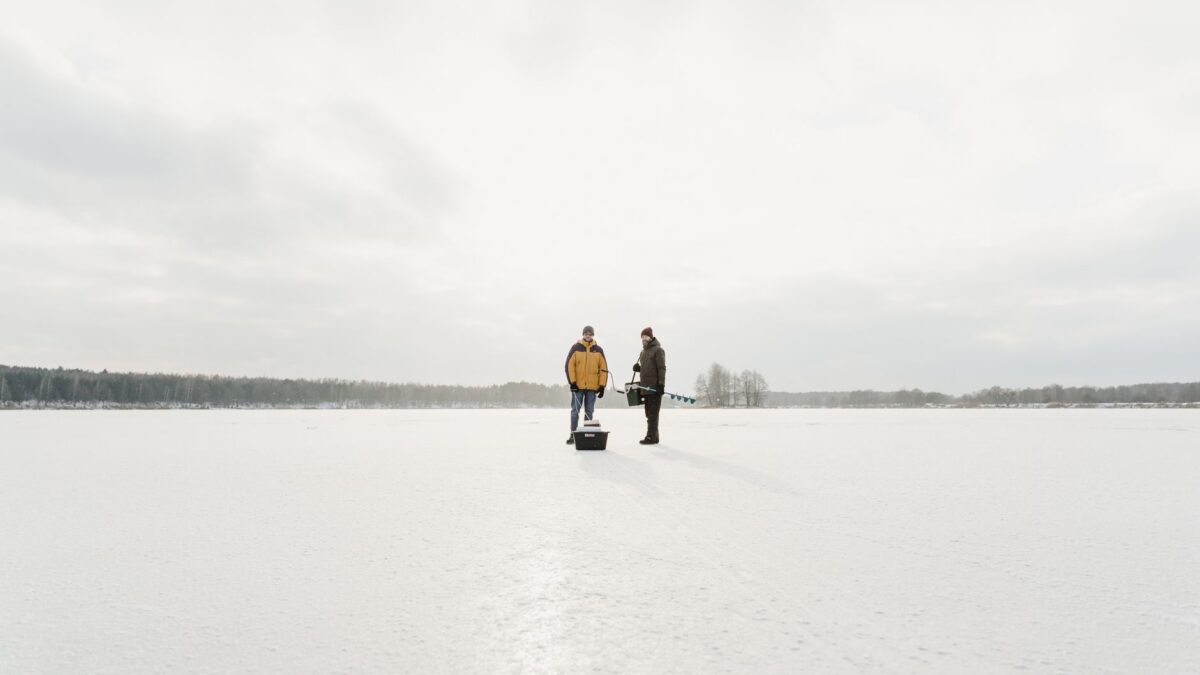
Pack in this order: safety gear first (ice picks, a throw rope, an ice chisel or auger to test ice, a tape measure, ice cleats and a life jacket or float suit), then the tools to fish (license, auger, skimmer, short rods with light line, jigs, bait and a bucket), then upgrades such as a flasher, tip-ups, a shelter and a sled. Dress in layers and keep spare gloves and socks dry. The checklist below runs from must-haves to nice-to-haves.
1. Safety gear (never leave without it)
The Minnesota DNR recommends an ice safety kit with rope, ice picks, an ice chisel or drill and a tape measure, plus a life jacket or buoyant gear. Its ice thickness guidelines start at 4 inches of new, clear ice for walking, and it stresses that ice is never 100% safe.
- Ice picks worn around your neck or clipped to your jacket, so you can pull yourself out if you break through
- Throw rope in a bag you can toss to someone else
- Ice chisel (spud bar) to test ice ahead of you on early or late ice
- Tape measure or ice-thickness gauge to check test holes
- Life jacket or float suit (most float suits are buoyancy aids, not Coast Guard-approved life jackets; check the label)
- Ice cleats (creepers) that strap onto your boots
- Phone in a waterproof bag, carried on your body, and a plan left with someone at home
- Headlamp with spare batteries if you’ll be out near dark
- Small first-aid kit, including something to remove hooks
Our ice thickness guide covers the full DNR chart and how to check ice as you go.
2. Making and keeping holes
- Ice auger (hand, drill-driven, battery or gas). Not sure which? See how to choose an ice auger.
- Spare battery or fuel, kept warm
- Blade guard on whenever the auger is out of the hole
- Ice skimmer or scoop to clear slush and ice chips
3. Rods, reels and line
- Ice rods, roughly 24–36 inches, in light action for panfish and medium for walleye or bass
- Small spinning reels or inline reels spooled with fresh line
- Line: typically 2–4 lb test for panfish and 6–10 lb for walleye, often with a fluorocarbon leader; heavier for pike and lake trout
- Spring bobbers or sensitive rod tips for light bites
- Rod holders or rod wraps for a second line, where two lines are allowed
4. Tackle and bait
- Small jigs (tungsten and lead) in a few colors for panfish
- Jigging spoons and rattle baits for walleye and perch
- Plain hooks, split shot and small floats for dead-sticking minnows
- Live bait such as waxworms, spikes and minnows in a bait bucket, where legal
- Small plastics as a backup when live bait runs out
- Pliers, forceps and a jaw spreader (for pike), line clippers and a hook file
Live bait rules vary. Some states limit moving minnows between waters or ban certain bait species to stop the spread of disease and invasive species. Check your state’s rules.
5. Electronics
- Flasher or ice-ready fish finder to see depth, fish and your jig. Our flasher vs fish finder guide explains the difference.
- Charged battery and a spare on long trips
- GPS or phone mapping app with lake contours, to mark spots and your route back
6. Tip-ups (optional)
- Tip-ups spooled with tip-up line, plus leaders and hooks for pike or walleye
- Depth finder weight (clip-on sounder) to set bait depth
- Something to keep holes open, such as hole covers or insulated tip-ups, in very cold weather
States set their own limits on how many lines you can fish through the ice and how far you can be from them. Check your state’s rules before you set out more than one line.
7. Transport and shelter
- Bucket with a padded lid for seating and storage
- Sled to pull gear across the ice
- Shelter (flip-over or hub) with ice anchors, if you plan to sit for a while
- Heater rated for indoor use and a CO alarm, if you heat your shelter
8. Clothing
- Moisture-wicking base layer (no cotton next to skin)
- Insulating mid layer such as fleece or wool
- Windproof, waterproof outer layer or float suit
- Insulated, waterproof boots and wool socks, plus a spare pair
- Warm hat, neck gaiter or face covering
- Thin liner gloves for fishing, insulated mitts for travel, and a spare pair of each
- Hand and foot warmers
- Sunglasses: sun on snow and ice is bright
More detail is in how to dress for ice fishing.
9. Comfort and extras
- Thermos with a hot drink and easy food
- Small towel to dry hands
- Trash bag to pack out everything you bring
- Fishing license and any required stamps, on paper or on your phone
Quick reference: must-have vs upgrade
| Category | Must-have | Upgrade later |
|---|---|---|
| Safety | Ice picks, rope, chisel or auger, tape measure, cleats, PFD or float suit | Personal locator beacon |
| Holes | Hand auger, skimmer | Battery or gas auger |
| Fishing | 1–2 ice rods, light line, jigs, bait, bucket | Tip-ups, more specialized rods |
| Electronics | None required | Flasher or fish finder, GPS maps |
| Comfort | Layered clothing, spare gloves, hand warmers | Shelter, heater with CO alarm, sled |
Bottom line
Start every packing list with ice picks, rope, a way to test ice, a tape measure, cleats and buoyant gear. Add a license, auger, skimmer, a couple of short rods and some jigs and bait, and dress in layers. Flashers, tip-ups and shelters are upgrades, not entry requirements.
FAQ
What is the most important piece of ice fishing gear?
Safety gear: ice picks you can reach instantly, a rope, buoyant clothing and a way to check ice thickness. Fishing gear comes second.
What gear do I need for my first ice fishing trip?
A license, safety items, a hand auger or a borrowed power auger, a skimmer, one or two short rods with light line, small jigs, live bait, a bucket and warm layers.
Do I need a flasher for ice fishing?
It is not required, but it shows depth, fish and your jig in real time, which makes finding and catching fish much easier. Many anglers add one in their first or second season.