First Ice Fishing: When Early Ice Is Safe and How to Fish It Carefully
Learn how thick clear ice needs to be, how to check it as you go, where fish sit at first ice and how to fish early ice with a safety-first routine.
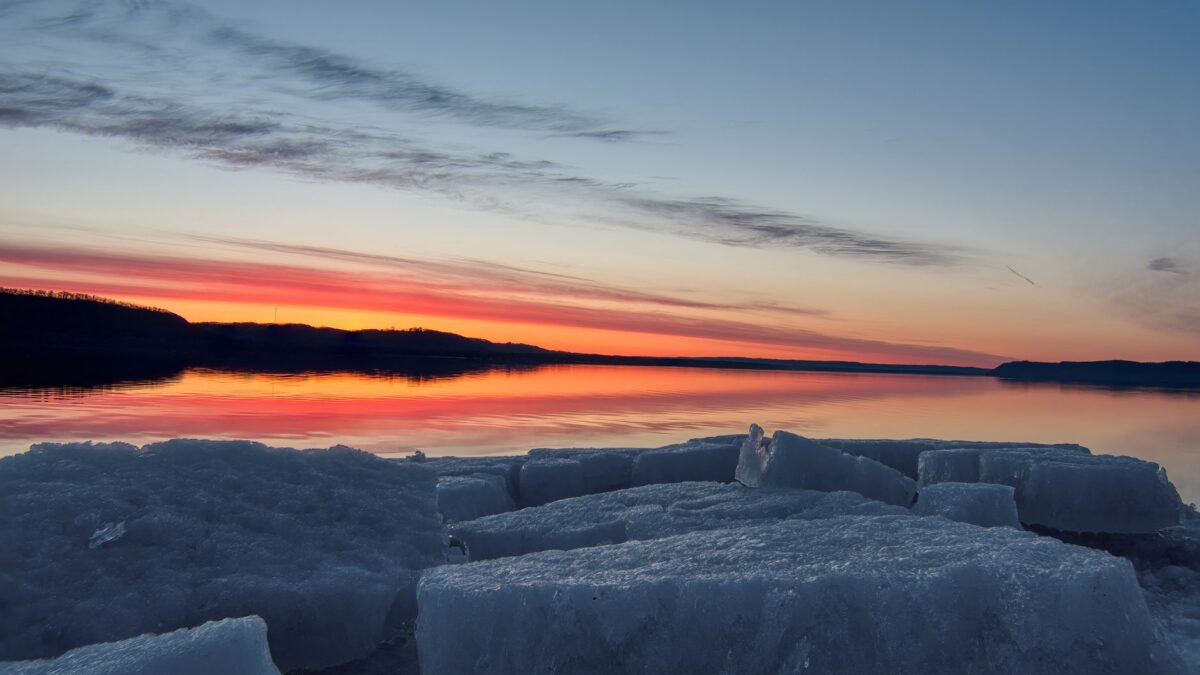
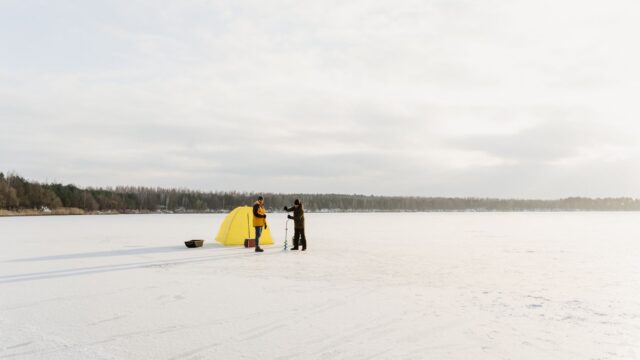
Early ice is safe enough to walk on when it is clear, solid ice at least 4 inches (10 cm) thick, and you have checked it yourself as you go. No ice is ever guaranteed safe, so treat every outing as a series of checks, not a single decision. Once you are on it, fish at first ice tend to be shallow, active and close to weed edges and the first drop-offs, which makes it some of the best fishing of the winter.
How thick is thick enough
Commonly cited guidance for new, clear ice is a rough scale, and local conservation agencies often publish their own numbers:
- Under 4 inches (10 cm): stay off.
- 4 inches (10 cm): generally the minimum for walking and fishing on foot.
- 5-7 inches (13-18 cm): typically considered the range for a snowmobile or ATV.
- 8-12 inches (20-30 cm): often cited for a car or small pickup.
These figures assume clear, hard ice. White or opaque ice, often called snow ice or slush ice, is weaker, and you should allow more thickness. Honeycombed, gray or dark ice should be avoided entirely. If your state or province publishes ice guidance, follow it over any general chart.
Why early ice is less predictable
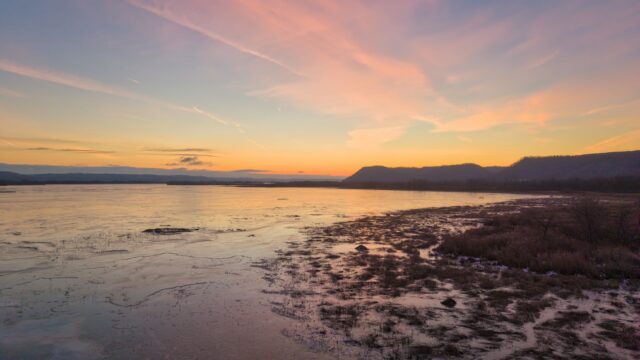
Ice does not form evenly. Moving water near inlets, outlets, creek mouths, springs, narrows and bridges freezes late and thaws early. Docks and aerators can keep patches thin. Snow insulates ice and slows growth, so a snowfall right after freeze-up can leave a lake with a weak layer under a white blanket. Thickness can change by several inches over a short distance, so a good hole near the shore says little about the middle of the lake.
A safety routine for the first walk
- Go with a partner and tell someone where you are headed and when you will be back.
- Wear a flotation jacket or float coat over your layers. It also helps keep you warm.
- Carry ice picks around your neck or in a jacket pocket where you can reach them. They help you pull yourself out of the water.
- Carry a rope and a spud bar or ice chisel. Tap ahead of you as you walk, since a chisel will punch through weak ice.
- Drill test holes every 50 feet (15 m) or so and measure each one with a tape or ice gauge.
- Stay near the shore and in water you know until you are comfortable with the conditions.
- Keep spacing between anglers. Avoid clustering heavy gear in one spot.
Warning signs include cracks that show water, ice that bends or makes loud booming cracks underfoot, and water on the surface. If you hear or feel anything wrong, lie down, spread your weight and crawl back the way you came. For gear to bring on your first outing, see this guide to ice fishing for beginners, including gear and finding fish.
If someone breaks through, do not rush to the edge. Call 911, then reach with a rope, pole or ladder from a lying position. The person in the water should kick, keep their arms on the ice and work their way out, then roll away from the hole rather than stand up.
Where fish are at first ice
Right after freeze-up, many fish are still in their late-fall patterns. Shallow and mid-depth water often holds the most activity, so you do not need to drill in deep basins.
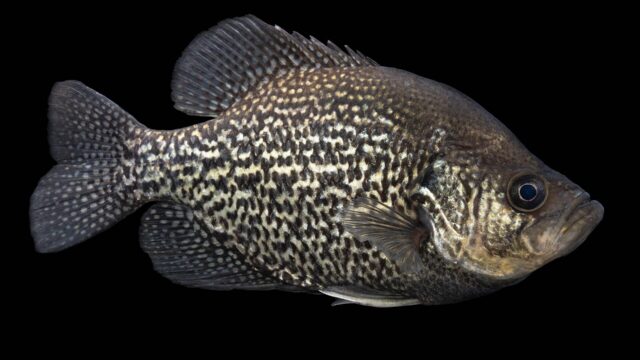
- Weed edges: green weeds still produce oxygen and hold baitfish, which draws bluegill, crappie and perch. Look for the outer edge of weed beds and pockets in the weeds.
- First drop-offs: a change from flat to a slope, usually in 6-15 feet (2-5 m) of water, gives fish an easy route between shallow and deeper water.
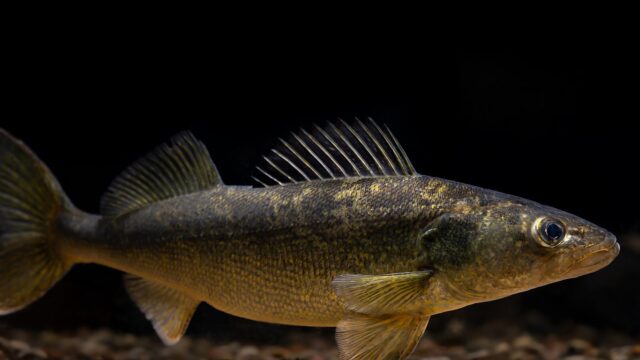
- Points and humps: good for walleye, especially around dusk and dawn. See ice fishing for walleye for more.
- Docks, brush and rock: fish often stay on structure they used in fall.
Use a map or the open-water spots you already know. If you fished a lake in fall, the locations that produced then are a strong starting point.
How to fish early ice
Start with a few holes in different depths, then move to the zone where you mark or catch fish. Keep your approach quiet, since sound and movement carry through thin ice and can spook shallow fish. Avoid drilling more holes right on top of fish.
- Small jigs and spoons: tipped with a wax worm, spike or minnow head for panfish. Keep movements gentle and pause often.
- Light line: 2-4 lb (1-2 kg) test on a short ice rod gives better feel for light bites.
- Tip-ups: set with live minnows near weed edges for pike and walleye, where regulations allow them.
- A flasher or small sonar unit: shows depth, bait and fish under you. The guide to ice fishing flashers versus LCD fish finders explains the differences.
Check your state’s rules before you go. License requirements, line and tip-up limits, and which waters are open can vary. The article on how to get a fishing license covers what most anglers need.
Mistakes to avoid
- Trusting ice because someone else walked on it yesterday. Weather changes thickness.
- Skipping a flotation coat because the ice looks thick.
- Driving onto early ice. Walk first, and use a vehicle only when the ice is clearly thick enough.
- Staying too long near current, inlets or springs.
- Fishing alone with no way to call for help.
Quick answers
Is 2 inches of ice safe?
No. Two inches (5 cm) is too thin to support a person, and walking on it is dangerous. Wait for at least 4 inches (10 cm) of clear ice.
Is snow on the ice a problem?
It can be. Snow insulates the ice and slows freezing, and the weight can push water up through cracks. Measure thickness with a drill or chisel before trusting a snow-covered lake.
What should I carry in my pockets?
Ice picks, a whistle, a phone in a waterproof bag and a rope are the basics. Keep picks on your body, not in a pack.
Can I fish alone on first ice?
It is much safer with a partner. If you must go alone, stay near shore, share your plan with someone and carry rescue gear.