Can You Eat Bass? Taste, Which Ones to Keep, Limits and Fish Advisories
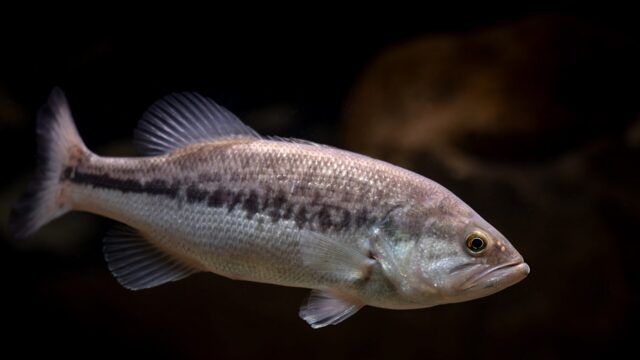
Largemouth, smallmouth and striped bass all make good table fare. The keys are choosing the right fish, following limits and checking local advisories.
Licenses and regulations, knots, catch and release, fish handling, boating and kayak basics, and how to start fishing as a beginner.
Largemouth, smallmouth and striped bass all make good table fare. The keys are choosing the right fish, following limits and checking local advisories.
Double the line, pass it through the eye, tie an overhand knot, slip the loop over the hook and pull tight. Here's how to do it right every time.
You don't need a book of knots. Five reliable ones handle tying on hooks and lures, joining braid to a leader and spooling a reel.
The classic thumb-in-the-mouth grip is fine for most bass, but heavy fish need a second hand under the belly. Here's how to hold fish safely, species by species.
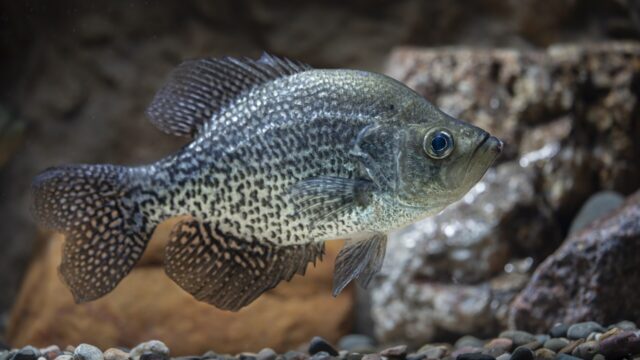
Crappie school up around cover and move with the seasons. Find the depth, show them a small jig or minnow slowly, and you can catch plenty.
The fastest way to catch your first trout is a recently stocked lake and a light spinning rod. Here's the gear, the rigs and the rules worth knowing.
Fronts, wind and light change where fish sit and how they feed. Barometric pressure and the moon get the headlines, but they matter less than you think.
Most fish in a lake live along edges: weed lines, drop-offs, docks and points. Start there with a couple of simple rigs and your first trip has a real chance.
We use analytics cookies to see which articles are read. No ads cookies. Privacy policy